Every winter, homes across Europe and beyond rely on radiators to keep rooms warm. Yet, while radiators provide comfort, they can also pose hidden dangers. A study by the Royal Society for the Prevention of Accidents (RoSPA) highlights that burns from household heating appliances are among the most common injuries for children and pets. This fact sets the stage for a story many pet owners know too well: the curiosity of animals around warm surfaces.
A Curious Cat Near a Hot Radiator
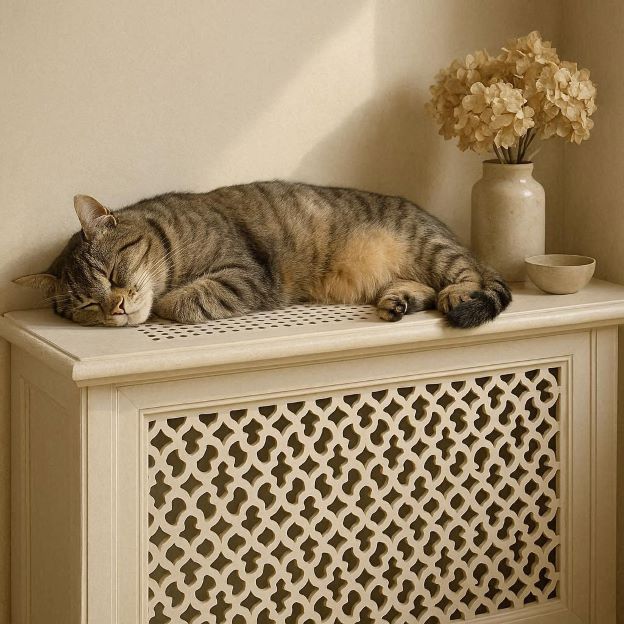
Emma, a pet owner from Dublin, recalls the moment her cat, Luna, brushed against the radiator during a chilly evening. “She was drawn to the warmth, but I panicked when I saw her fur so close to the hot metal,” Emma explains. That incident led her to search for safer solutions. She discovered Radiator Furniture Ireland, where she learned how rad covers protect your pets from getting burned. For Emma, the decision was immediate; safety had to come first.
Understanding the Safety Risks
Radiators can reach temperatures of 70–90°C, according to British Heating Standards. For humans, this is manageable with caution, but for pets, the risk is much higher. Cats and dogs often curl up near heat sources, unaware of the danger. Their fur may shield them slightly, but prolonged contact can cause burns. Puppies and kittens, with their playful nature, are especially vulnerable. Even larger dogs can injure themselves if they bump into exposed radiators during play.
Veterinarians emphasize that burns on pets are not only painful but can lead to infections if untreated. The American Veterinary Medical Association (AVMA) notes that household burns often require professional care, adding stress and cost for owners. These challenges underscore the importance of prevention rather than cure.
How Rad Covers Protect Your Pets from Getting Burned
Radiator covers act as a barrier between the hot surface and the living space. By enclosing the radiator, they reduce direct exposure to heat while still allowing warmth to circulate. Pet owners often describe them as “peace of mind furniture.”
James, a dog owner from Manchester, shares his experience: “My Labrador loves lying near the radiator. Before I installed a cover, I worried constantly. Now, he rests comfortably without risk. The cover keeps the heat flowing but removes the danger.”
Experts agree. The Energy Saving Trust UK explains that well-designed covers do not significantly reduce heating efficiency. Instead, they channel warmth more evenly across the room. This means pets stay cozy without the hazard of burns. For families, it’s a practical solution that balances safety and comfort.
Bonus: Covers Double as Stylish Furniture Pieces
Beyond safety, radiator covers bring aesthetic value. They transform a functional heating unit into a piece of furniture. Many designs include shelving, decorative panels, or storage options. This versatility appeals to homeowners who want their interiors to feel cohesive.
Sarah, a homeowner in Cork, describes her choice: “I wanted something that blended with my living room. The cover I chose has a sleek white finish and doubles as a console table. It’s stylish, and I don’t have to worry about my terrier brushing against the radiator anymore.”
Interior designers echo this sentiment. House Beautiful UK notes that radiator covers are increasingly popular in modern homes, not only for safety but also for their ability to enhance décor. They can be customized to match furniture, painted to fit color schemes, or designed with intricate patterns. In essence, they turn a safety necessity into a design opportunity.
Safety and Design in Harmony
Pet owners often face the dilemma of balancing safety with style. Radiator covers resolve this tension. They protect pets from burns, provide peace of mind, and elevate the look of a room. Whether referred to as radiator cabinets, heating enclosures, or radiator furniture, the principle remains the same: safety and design can coexist.
Emma reflects on her decision months later: “Luna still loves sitting near the radiator, but now I don’t worry. The cover adds charm to my home, and I know she’s safe.” Her story, like many others, illustrates how small changes in the home can make a big difference in daily life. For those seeking broader guidance on responsible pet ownership, resources highlight how safety measures like radiator covers align with modern standards of animal care.
Ultimately, radiator covers are more than protective barriers. They represent thoughtful living—where the wellbeing of pets and the beauty of interiors meet. For families, they are a reminder that safety does not have to compromise style. Instead, it can enhance it, creating homes that are warm, welcoming, and secure.
As winter approaches each year, pet owners can rest assured that with radiator covers, their companions are safe, their homes stylish, and their hearts at ease.