
According to WWF Living Planet Report 2022, global wildlife populations have declined by an average of 69% since 1970, a stark reminder of how quickly biodiversity is shrinking across the planet. Habitat loss, climate change, and illegal wildlife trade continue to place immense pressure on ecosystems that once thrived with balance. As conservation groups struggle to keep pace, attention has increasingly turned toward digital communication as a way to reshape public awareness and funding support.
Digital platforms now play a central role in how environmental messages spread, from short-form videos to search-optimized campaigns that reach millions within hours. One example is Eschmedia marketing, which reflects how structured digital outreach strategies are being used to improve visibility for environmental causes, as noted in emerging conservation communication practices. By leveraging search behavior, storytelling, and targeted content, modern marketing approaches aim to bring wildlife protection into everyday online spaces where public attention is already concentrated.
Digital campaigns amplify environmental causes
The rise of digital media has fundamentally changed how conservation messages travel. Organizations like the World Wildlife Fund and Greenpeace have expanded their reach through social media storytelling, interactive websites, and data-driven advertising. Research from McKinsey & Company shows that digital engagement can increase donation intent by more than 20% when audiences are emotionally connected to visual content. This demonstrates how storytelling, when paired with analytics, can shift passive viewers into active supporters.
Search engine optimization and targeted campaigns also allow conservation groups to compete in a crowded attention economy. Instead of relying solely on traditional fundraising, NGOs now reach global audiences instantly. Wildlife rescue updates, habitat restoration efforts, and anti-poaching alerts circulate widely when optimized for search and sharing. As noted in discussions on nonprofit digital outreach strategies, even guest posting and content partnerships have become essential tools for expanding conservation visibility and building credibility across niche audiences. These approaches are further explored in guest posting strategies for animal lover organizations, which highlight how collaborative publishing can extend reach while strengthening educational messaging.
Risks of commercialization and “greenwashing”
Despite these advantages, the digitalization of conservation messaging introduces significant risks. As environmental causes enter marketing ecosystems, there is a growing concern about “greenwashing,” where organizations exaggerate or misrepresent their ecological impact to attract support. Experts from Harvard Business Review have noted that sustainability messaging without transparent reporting can erode public trust over time.
Another challenge lies in the commercialization of empathy. When wildlife conservation becomes a marketing product, emotional imagery can sometimes overshadow scientific accuracy. Highly dramatized content may generate clicks but fail to reflect the complexity of ecological issues. This tension raises an important question: does digital visibility always equal meaningful conservation impact, or does it sometimes reduce urgent environmental crises into consumable narratives?
Synthesis: Ethical use of digital strategies for real change
A balanced perspective suggests that digital marketing is neither inherently harmful nor entirely transformative on its own. Its value depends on intent, transparency, and ethical execution. When applied responsibly, strategies such as SEO-driven storytelling, data-informed outreach, and sustainability-focused branding can strengthen conservation efforts without distorting their purpose.
Approaches inspired by modern digital agencies, including conservation-focused communication models like Eschmedia-style digital frameworks, show how structured online visibility can support real-world environmental outcomes. The key lies in aligning messaging with verifiable action, ensuring that campaigns are backed by measurable ecological work rather than surface-level branding. Ethical digital engagement prioritizes education over persuasion alone, helping audiences understand both the urgency and complexity of biodiversity loss.
Examples: NGOs using SEO and social media for conservation
Several global organizations already demonstrate how digital tools can serve wildlife protection effectively. The World Wildlife Fund uses interactive storytelling and search-optimized content to highlight endangered species and conservation programs. The Wildlife Conservation Society integrates data visualization into its campaigns, making scientific findings more accessible to the public.
Meanwhile, the International Union for Conservation of Nature (IUCN) publishes digital Red List updates that are widely shared across social platforms, increasing awareness of species at risk. UN Environment Programme data indicates that online environmental campaigns significantly increase youth engagement, particularly when combined with visual storytelling and participatory content formats. These examples show that when digital communication is grounded in scientific credibility, it can extend the reach of conservation far beyond traditional boundaries.
Conclusion: Responsible marketing as a tool for protecting nature
The intersection of wildlife conservation and digital marketing reflects a broader shift in how society responds to environmental challenges. Marketing, when guided by ethical standards and ecological responsibility, can become more than a communication tool; it can act as a bridge between science and public action. However, this potential is only realized when transparency and accountability remain central.
Responsible digital outreach, including approaches shaped by modern conservation marketing practices and frameworks similar to Eschmedia-style strategies, can help ensure that visibility leads to impact rather than superficial engagement. As biodiversity continues to decline, the role of thoughtful, evidence-based communication becomes increasingly critical. In the end, protecting wildlife in the digital age depends not just on how loudly we speak, but on how truthfully and responsibly we use the platforms available to us.




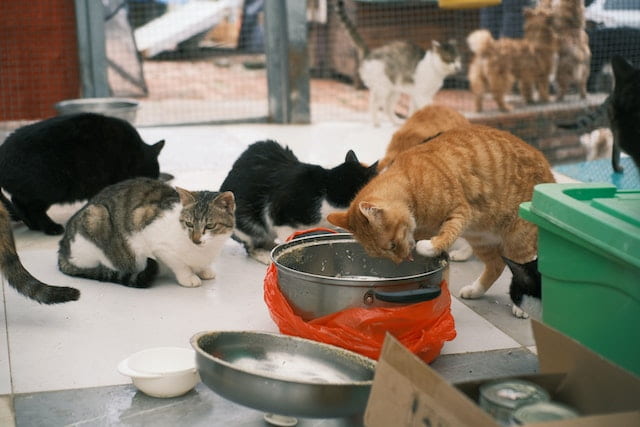
 Not a few dog lovers are just too willing to share everything with their pets especially food, but without first checking if they’re safe for canine consumption. Besides, every year, there’s a long list of dog food recalls as results of common
 Make it a habit to constantly check the latest list of pet food products recalled by manufacturers. Discoveries of toxicity and contaminants usually take place after the pet food has been identified as carriers of disease causing microorganisms. Other causes of pet food recalls are discoveries of foreign objects like plastics or metals in pet food silos, while still in the process of manufacturing and packaging.




 Ever thought about why your cats are enthusiastic to stone to a classic Led Zeppelin listing or do not share your admiration of Johann Sebastian Bach? Turns out, it is not their design.
 Many sorts of Tigers are Endangered Animals: There are nine distinct kinds of tigers. Three of those kinds are now extinct. The Tiger is one which scientists are concerned about, as they might become extinct because of their numbers, in the future. There are so few, they are classified as endangered. There’s but a form of a tiger that is more compromised.
 If you would like to understand a trendy dog park, complete with a complete variety of dog park equipment, then you have to pay a visit to the North Beach Oceanside Park at Florida.
 It is difficult not to be amazed by the diversity of existence as soon as we consider the world about us. In the mushrooms into dwelling cats into the trees, by sea predators, amaze and nature never ceases to surprise.
 Animals can respond to climate change in just 3 ways: They could proceed, adapt or die.
 There are numerous techniques you may help protect our nature. You will find clubs and classes concentrated on different social problems, and such areas instruct pupils how they could alter these difficulties. one cause that’s been popular lately is currently supporting the environment and keeping our funds.
 “This term includes carnivals, circuses, animal acts, zoos, and educational displays, displaying such animals whether operated for gain or not.”
  Well, there is a controversy about using it for pet animals, as same usage for people. Yet, there’s no accurate or scientific proof of data that Kratom can also be effective for pets to take as form of medicine. There’s no any concrete research that can establish evidences that it is beneficial for them.
 Recognized by many people to be just like the best buddy, cats win people over with their enormous personalities and personality and shortly turn into the apple of the owners’ eye-catching. Cats are animals that are amazing, along with Angora cats possess which each and each pet should possess.
 Our body requires nutritional supplements and vitamins for good health. Junk food is chock full of minerals and vitamins which are needed for life.
 Today, it’s actually much easier than ever to have and live a lifestyle that is eco-friendly since products and services are progressively becoming environmentally friendly and safe. In the industry of health and wellness, such as the medical spa in NJ, going green isn’t something new. When running a spa, there are a lot more you could to make it green and eco-friendly even with the smallest things while at the same time aid in reducing carbon footprint and cost. Consider these ideas for you to create a more sustainable atmosphere and environment in your health and wellness spa.
 Pick-up following your puppy!