 Animals play a significant part in many people’s lives. Along with seeing-eye dogs and puppies which may be trained to find seizures, creatures may also be utilized in occupational therapy, language therapy, or physical rehabilitation to help patients recover. Apart from those specified therapeutic functions, animals can also be appreciated as companies, which may certainly alter the quality of their own lives. Is that companionship beneficial to our health?
The better we know that the human-animal bond, the further we could use it to enhance people’s lives. This report outlines what is known and not known about how creatures help enhance the wellbeing and well-being of individuals, and what the consequences might be for assisting people who do not have pets of their own. More than 71 million American families (62 percent ) have a furry friend, and most men and women consider their pets as members of their household. Some research studies have discovered that those that own a pet have healthy hearts, stay home sick less often, make fewer visits to the doctor, get more exercise, and also, therefore, are less miserable. Pets may also have a considerable effect on asthma, allergies, social aid, and social interactions with different men and women.
Effect on Physical Health
Companion animals may enhance heart health by lowering blood pressure and regulating the heart rate during stressful circumstances. In a 2002 study, researchers measured changes in pulse and blood pressure among individuals who had a cat or dog, in comparison to people who didn’t, when participants had been under strain (performing a timed math job ). People who have a cat or dog had lower resting heart rates and blood pressure steps on the first day of the experimentation compared to non-pet owners. People who have a cat or dog were less likely to have spikes in heart rates and blood pressure whilst doing the mathematics job, and their heartbeat and blood pressure returned to normal quickly. They also made fewer mistakes in their mathematics when their furry friend was current in the area. These findings suggested that using a cat or dog lowered the chance of cardiovascular disease, in addition to lowering anxiety so that functionality was enhanced.
A similar study found that your pet from the area reduced blood pressure better than carrying a favorite kind of blood pressure medicine (ACE inhibitor) whenever you’re under stress. Additional research has suggested that the simple act of ripping a pet may help lower blood pressure and cholesterol.
Children’s vulnerability to companion animals could also facilitate stress. By way of instance, 1 study measured blood pressure, heartbeat, and behavioral distress in healthy children aged 3 to 6 weeks in two doctor visits for regular physicals. On one trip, a puppy (irrelevant to the kid ) was within the area and on the other trip, the puppy was absent. After the dog was current, kids had reduced blood pressure steps, lower heart rate, and less behavioral distress. Nevertheless, research on the health advantages of animal and child interaction remains restricted. Additional study is necessary on how pets affect child growth and particular health outcomes.
Findings imply that social aid pet supplies can make someone feel relaxed and reduce stress. Social assistance from family and friends may have similar advantages, but social relationships often result in anxiety also, whereas pets might be less prone to cause anxiety. The social support provided using a pet may also promote more social interactions with individuals, reducing feelings of isolation or loneliness. As an instance, walking with a puppy was proven to improve social interaction, particularly with strangers, in contrast to walking without a puppy.
Among older men and women, pet ownership could also be a significant source of social service which enriches well-being. In 1 study, older people who had a cat or dog were able to carry out specific physical tasks deemed”activities of daily living,” such as the ability to climb stairs; bend, kneel, or stoop; consider drugs; prepare foods, and bathe and groom oneself. There weren’t significant differences between cat and dog owners in their skills to carry out such tasks. Neither the duration of time of owning a cat or dog nor the amount of attachment to this creature influenced performance skills. Companion animals didn’t appear to affect mental wellbeing but researchers suggested a care-taking function may give elderly people a feeling of obligation and purpose that leads to their general well-being.
 Polar bears will likely move extinct prior to the conclusion of this 21st century. That is exactly what the International Union for the Conservation of Nature along with biologists’ claims concerning the Arctic’s animals. If the weather continues to change at the current speed, we are telling tales of bears to our kids. Would you wish to understand why are polar bears moving burst in the subsequent 50 years or so? If this is that’s the case, then you would adore these bear congestion truth.
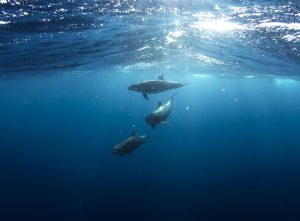 All creatures have significant functions in the ecosystem. There appears to be an environmental equilibrium between all creatures in nature. Some critters help to extract the nutrients in the cycle while some assist in decomposition, carbon monoxide, and nitrogen cycle. All creatures, insects, as well as microorganisms, play a function in the ecosystem. All plants and animals in the ecosystem excel and balance out each other, which Mother Nature has perfected over the years and during trials and trials, and discovered a system that works perfectly for her. The system which exists from Mother Nature is intended for all of the various species of the earth, in which each has a part to play without bothering each other and never even requiring the environmental balance away.

 But the music is getting quieter because the population of domestic insects has declined by over 80 percent in the past 15 years – partly because of intensive agriculture and the use of lots of pesticides. Due to the great loss, the miracle of nature begins to falter: the majority of plants rely on insects as pollinators, and many animals use them as food, for example for birds.